


The National Electric Code (NEC) is published by the National Fire Prevention Association (NFPA) and is the main U.S. standard for safe electrical installations. The code covers everything from wiring methods and circuit protection to equipment installation and social occupancies, and is updated every three years, the most recent update being published in 2020.
Historically, New York City used its own electrical code, but in November of 2024, the City Council passed legislation to update the electrical code, and a year later adopted the 2020 NEC as the City’s base standard. This decision brings a wave of important updates that every co-op, condo, and HOA board member, manager, and resident should understand. These changes are more than technical—they directly affect building safety, insurance compliance, and peace of mind for everyone in your community.
What’s Changed and Why It Matters
Arc Fault & Ground Fault Protection: The 2020 NEC expands requirements for Arc Fault Circuit Interrupters (AFCIs) and Ground Fault Circuit Interrupters (GFCIs). In plain terms, these devices shut off power if they detect dangerous electrical conditions, thereby helping prevent fires and shocks. Now, more outlets—including those in bedrooms, living areas, and laundry rooms—must have AFCI or GFCI protection.
Outdoor & HVAC Outlets: Any outdoor outlet, or those serving air conditioning equipment, now must be both weather-resistant and GFCI-protected. This helps protect residents and maintenance staff from electrical hazards, especially in wet conditions.
Surge Protection: The code now requires surge protection devices (SPDs) at your building’s main electrical service. SPDs help guard against power surges—like those from lightning or utility issues—that can damage sensitive electronics and building systems.
Arc Flash Study & Labeling: For buildings with electrical service equipment rated at 1200 amps or more (common in larger co-ops and condos), an arc flash hazard analysis—commonly called an ‘arc flash study’—is now required. This study calculates the risk of dangerous electrical energy release (an ‘arc flash’) and results in clear warning labels on equipment. These studies must be updated at least every five years, or whenever changes are made to the electrical system. Arc flash labeling is critical for the safety of maintenance personnel and is increasingly required by insurance carriers.
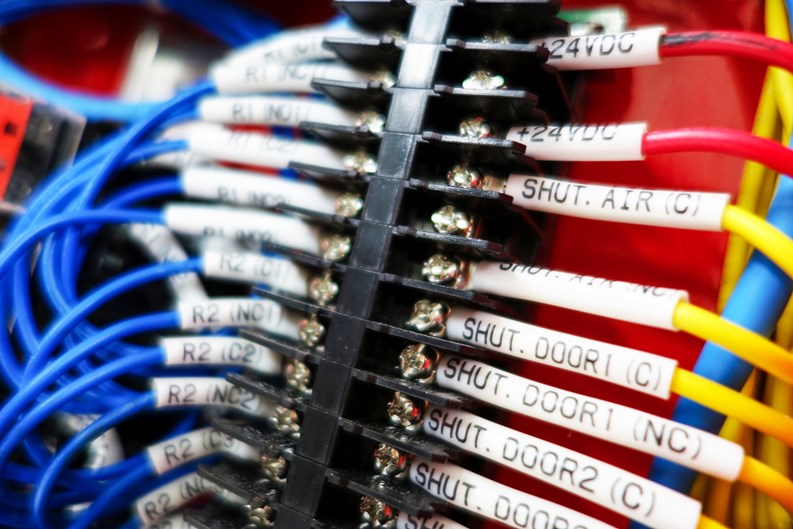
Labeling & Documentation: Accurate circuit labeling, up-to-date panel schedules, and clear one-line diagrams of your building’s electrical system are now must-haves. Good documentation makes life easier during repairs, inspections, and insurance renewals.
What Should Boards & Managers Do?
As with anything related to the maintenance of your building, being proactive nearly always saves money, hassle, and disruption. To make sure you’re in compliance with NEC 2020, you should first have a professional review your property, including for an arc flash study, if your building qualifies.
Second, prioritize upgrades: focus on GFCI/AFCI protection, arc flash labeling, and surge protection—these are high-impact, code-driven safety improvements.
Third, keep your documentation current; maintain updated electrical drawings, arc flash study reports, and inspection records. This helps with smooth insurance renewals and fast troubleshooting.
Finally, stay informed. Electrical codes evolve—so make code compliance a regular part of your board’s risk management plan.
Don’t Ignore the Code
Insurance carriers are getting stricter about electrical code compliance, so if your building isn’t up to date, you may face issues ranging from higher premiums and difficulty renewing or obtaining coverage to claims being denied following an incident. In that sense, staying current with code changes is as much about protecting your building’s value and keeping residents safe as it is about avoiding fines. By working with qualified professionals and keeping code requirements on your radar, you’ll protect your community, satisfy insurance requirements, and help ensure a safer environment for everyone.
Stephen Marcellino, Jr. is President and CEO of ArcPoint Electric Solutions Inc., based in New York City. This article is intended for informational purposes only and is not a substitute for professional or legal advice.





Leave a Comment