


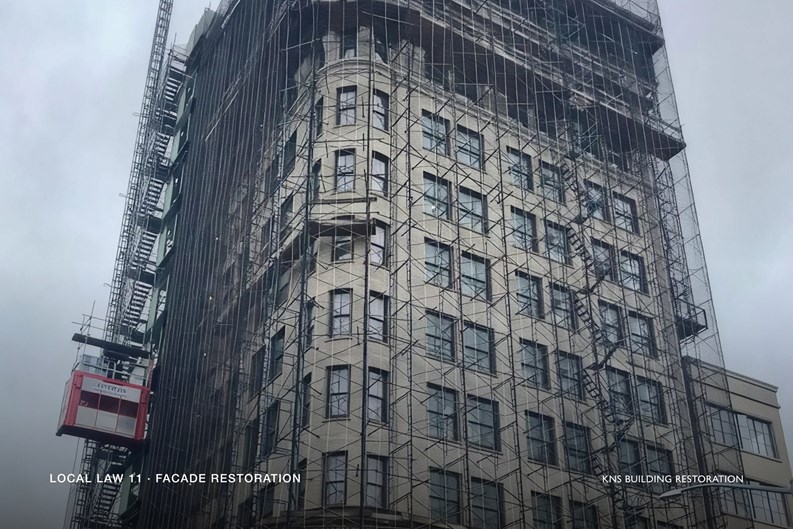
A façade inspection identifies conditions that require attention. Turning those findings into completed repairs is another undertaking entirely. Between the engineer’s report and the removal of a sidewalk shed lie many important decisions about repair scope, materials, access and construction schedules. For New York City co-op and condo boards, those decisions can have as much impact on the duration of a project as the repairs themselves.
Behind the Façade
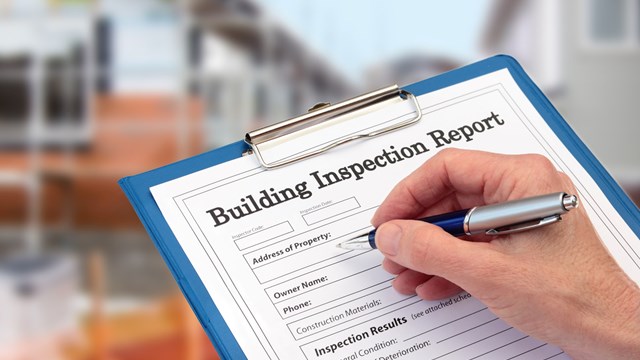
On a century-old building, a displaced stone or cracked unit of terra cotta may appear to be an isolated repair. Once the area is opened however, the contractor may find that deterioration extends beyond what was visible during inspection. That doesn’t mean the inspection failed, however. A Façade Inspection and Safety Program (FISP) report identifies observed conditions and required action; it isn’t necessarily a complete construction scope. Targeted exploratory probes, when recommended by the building’s engineer, can clarify conditions before bids are solicited, and help establish more realistic quantities and costs.
The Challenge of Restoring a 100-Year-Old Building
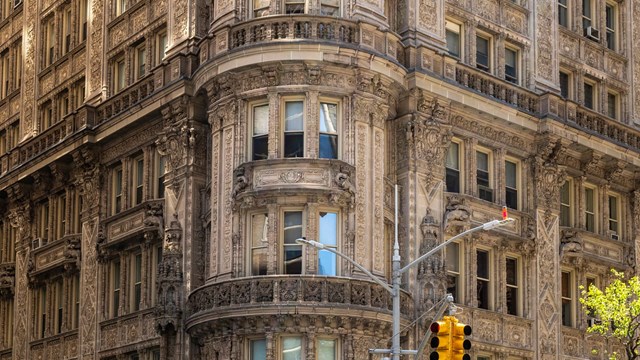
Depending on the age and condition of a building, original façade materials may not be readily available. Our firm worked on approximately 200,000 square feet of façade at 12 East 86th Street in Manhattan, replacing deteriorated terra cotta with architectural precast and glass fiber reinforced concrete (GFRC) while residents remained in the building. Replacing materials like terra cotta or decorative stone can require field measurements, shop drawings, molds, fabrication, and in the case of landmarked properties, additional City-level approvals before crews begin installation—so those lead times matter.
The Lowest Bid ≠ The Best Bid
Two restoration proposals can differ substantially even when both are based on the same inspection report. One may include allowances for anticipated repairs; the other may price only the quantities documented so far. Custom fabrication requirements, access costs, exclusions and unit prices for additional work can also differ. The useful question isn’t only which number is lowest—it’s what work, materials and potential changes that number actually covers, so it’s important for boards to ask their engineer and managing agent to compare proposals on a consistent scope.
What Happens When the Wall Opens?
Even with the most careful, thorough preparation, there can be curveballs. Additional deterioration can be revealed once damaged masonry is removed, so the process for addressing it if it happens should be agreed upon before work begins. The contractor should document the condition, the engineer should evaluate and direct the repair, and the authorized parties can then approve changes to scope and cost. A board should know who can approve added work, what contingency is available, and how promptly decisions can be made. If one work area must wait for review or fabrication, the team may be able to pivot and continue in another location. That flexibility can keep projects on track and avoid costly delays, but it depends on a realistic sequence of work and clear authority to act.
When Does the Sidewalk Shed Come Down?
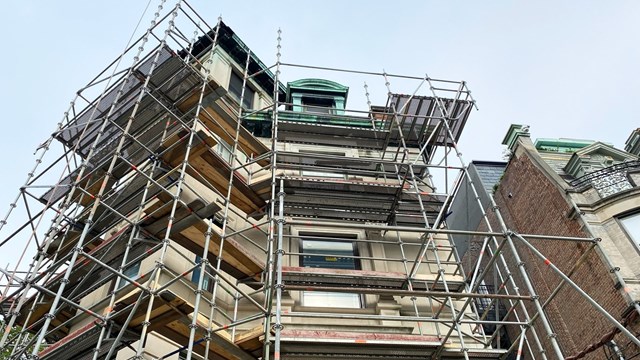
Finishing the actual physical repairs to a façade doesn’t necessarily mean that the job itself is finished. Even after the last brick is put in place, engineer reviews, required documentation and filings, and authorization to remove temporary pedestrian protections may still be outstanding. All of those steps are part of the job, and therefore belong on the original schedule, not on a list assembled after the repair crew has left. With FISP Sub-Cycle 10A closing February 21, 2027 and new City rules placing increased scrutiny on long-standing sidewalk sheds, the time between completed repairs and shed removal deserves particular attention.
More Than Compliance
Building maintenance is more than satisfying an inspection requirement. It’s about protecting property while allowing the people who live there to continue their daily lives. The quality of the finished repairs matters; so does the time it takes to get there. A facade inspection tells you where to begin.
KNS Building Restoration has worked with New York City co-op and condo boards on façade restoration, roofing and waterproofing since 1998. Learn more at info@knsbr.com

Leave a Comment