


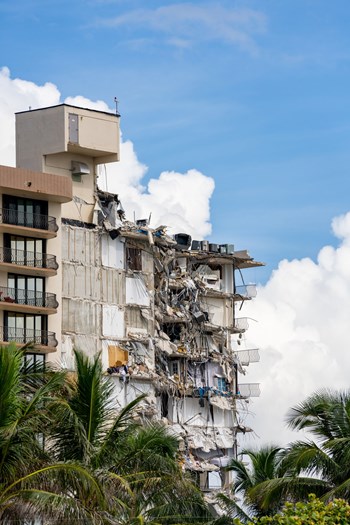
The deadly collapse of Champlain Towers in Surfside, Florida on June 24, 2021, represents a watershed moment for shared-interest communities in Florida and nationwide. It exposed a fatal fault in the administration of condominium communities that had been hiding in plain sight for decades. Lax oversight led to a pattern of deferred maintenance, which led to structural deterioration, which ultimately led to a lethal result for nearly 100 people. Though it happened in Florida, it has nationwide consequences, and warnings.
The Reality of Self-Governance
Legally speaking, unlike a rental apartment building or one owned by a cooperative corporation, a condominium property is viewed not as a single unit, but rather as a collection of individual real estate units bound together by common areas owned in association.
And unlike a cooperative, in a condo there’s no underlying financing held by a lender on the entire property as whole. In a co-op, that lender has a vested interest in the health and maintenance of the entire property, and therefore functions as a check on the management and decisions made by the cooperative’s board. That mortgage will require extension or refinancing every five to 10 years, so the lender will do regular inspections of the property, demanding repairs where necessary to protect the asset. Because there’s no underlying mortgage in a condominium environment, neither is there that built-in oversight.
Sadly, that was a major factor in the collapse at Surfside. The elected board of directors kicked repairs down the road for decades, and when repairs were done, they were done poorly. No one wanted to foot the bill, or rock the boat. It’s a common problem, not just in Florida, but in thousands of condo buildings across the country.
After Champlain Towers collapsed, the State of Florida wisely inaugurated new rules to prevent similar tragedies. Senate Bill 4-D (SB 4-D), widely referred to as the Building Safety Act, was enacted in May 2022. This law created the requirement for Structural Integrity Reserve Studies (SIRS) for aging condominium buildings, which was later adjusted and refined by subsequent legislation like SB 154 and HB 913.
Florida’s Office of Program Policy Analysis and Government Accountability (OPPAGA) recently released a report on the implementation of the law. According to Dawn Bauman, CEO of the Community Associations Institute (CAI), a national advocacy group for the shared-interest community, “The report shows Florida's condominium safety reforms are producing results. More than 10,000 milestone inspections were reported, and 903 repair permits were filed in the program's first two years. The report also gives policymakers their first statewide benchmark for evaluating implementation. While the report demonstrates preliminary optimism about the reforms, these safety reforms are comprehensive. Therefore, it is reasonable to expect that these reforms will take several years before you see the optimal results of the reform.”
Inspections, Reserve Funding, & Long-Term Maintenance
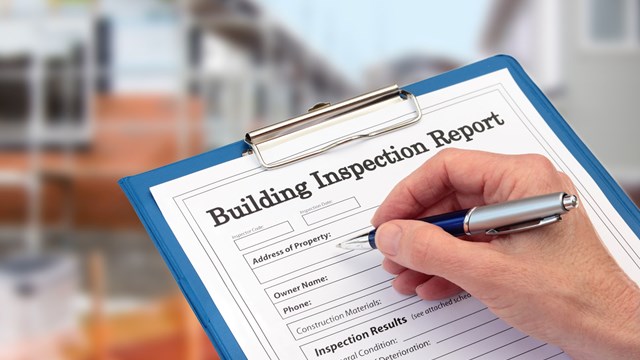
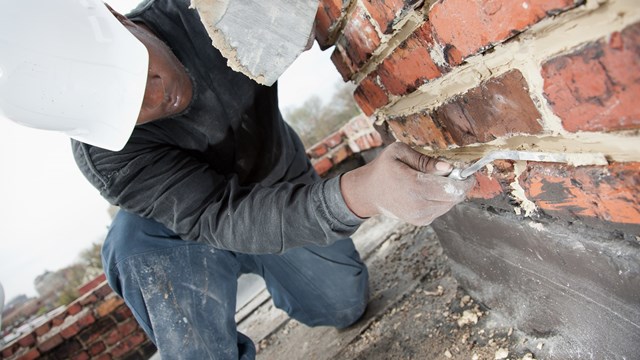
Inspections tell a community what parts of their property need attention. Reserve studies help determine what major repairs and replacements are coming and what they’re estimated to cost. Based on that information, reserve funding then helps ensure that money is available when that work is needed. Regular maintenance is what keeps smaller problems from becoming larger, more expensive ones.
“For residents, the connection is important,” says Bauman. “Building safety and financial planning go hand in hand. Communities that understand their building's condition and plan responsibly for repairs are better equipped to address problems before they become emergencies.”
Real World Effects
Owners and prospective buyers should look at both the physical and financial health of a condominium community. Milestone inspection findings, reserve studies, planned repairs, association budgets, and funding plans provide important insight into a building's condition and whether the community is prepared for future needs.
Lisa Magill, an attorney with Kaye Bender Rembaum, a law firm based in Pompano Beach, Florida, is very active in the condominium community, and says that “The milestone inspection process was way overdue in Florida. Engineers or architects inspected almost thousands of condominium and cooperative associations throughout the state in 2024-2025 for safety concerns. Numerous properties required structural and/or electrical repairs; more than 50 buildings were deemed unsafe.
“Critical repairs may have saved lives,” she continues. “Repairs and restoration work undoubtedly increased the value and desirability of a property, and gave residents a greater sense of comfort and peace of mind about their living conditions. Of course, inspections and repairs cost money. Some association expenditures were quite substantial, and caused owners financial hardship. Many owners are still bitter about paying for deferred maintenance and unfunded reserves that negatively affect market value, but these investments create long-term viability, safety, and increased equity, which greatly outweigh short-term financial strain, in my opinion. These requirements are relatively new, but will lead to long-term stability in the market. Buyers recognize the benefits of infrastructure updates and proper capitalization – these factors directly translate to stable assessments, improved financing options, and preservation of property values.”
Nationwide Ripple Effect
Florida has implemented the nation's most comprehensive post-Surfside condominium safety reforms, so policymakers across the country are watching to see how they work in practice. Since Surfside, at least 18 states have introduced condominium safety legislation, with significant reforms enacted in California, Colorado, Florida, Maryland, New Jersey, Tennessee, Virginia, and Washington. “Florida is now providing valuable real-world lessons that can help other states strengthen building safety while recognizing the financial impact these requirements can have on homeowners,” says Bauman.
Remembering the tragedy at Surfside is important. Making sure it never happens again even more so.





2 Comments
Leave a Comment