


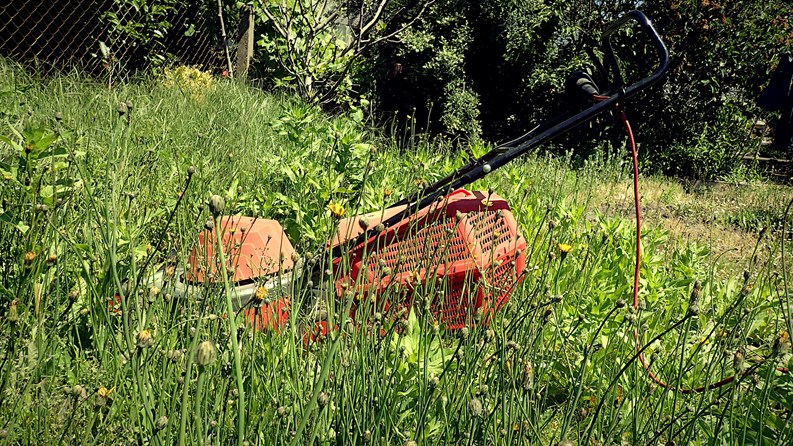
Landscaping is often one of the most visible and emotionally charged investments a condominium, co‑op, or HOA makes. Thoughtfully designed outdoor spaces enhance curb appeal, support property values, and contribute to residents’ quality of life. Trees, plantings, walkways, and common outdoor amenities help define the feel of a community and how it’s perceived by residents and visitors.
Landscaping decisions can quietly increase an association’s liability exposure. Common general liability claims—trip‑and‑fall accidents, falling branches, drainage failures, and storm-related damage—originate outdoors. Because they are part of a community’s common elements, the responsibility for maintaining them typically rests with the association, making boards and managers vulnerable when hazards go unnoticed.
A Risk is a Risk
Insurance-wise, landscaping is inseparable from risk management. When injuries or property damage occur due to poorly maintained outdoor areas, the association is often named in the resulting claim or lawsuit. Issues like uneven walkways caused by root uplift, overgrown shrubs blocking sightlines, unstable trees, and inadequate drainage can all be cited as contributing factors. These problems may seem minor, but can often be costly.
Insurance carriers pay close attention to outdoor conditions when underwriting and renewing policies. Landscaping maintenance—or lack thereof—can influence premiums, deductibles, and coverage terms. During inspections, insurers often view neglected landscaping as an indicator of broader maintenance issues. Ignoring visible hazards may raise costs and require repairs to maintain coverage.
Reduce the Risk, Keep the Rhododendrons
Balancing curb appeal with safety doesn't mean sacrificing aesthetics. Well-designed landscaping can enhance beauty and risk reduction when safety is initially considered. Walkways and hardscaping should be constructed with stable, slip-resistant materials and designed to minimize abrupt elevation changes. Cracked pavement, settling slabs, and root intrusion—among common causes of trip-and-fall claims—should be addressed promptly.
Trees and plantings also require attention beyond seasonal trimming. Overgrown vegetation can obstruct lighting, signage, and sightlines for pedestrians and drivers, increasing accident risk. Dead or diseased trees pose a high risk, particularly during storms when falling branches or uprooted trees can cause serious injury or property damage. Routine inspections by qualified professionals are essential to catching risks early.
Drainage is another area where landscaping choices can create hidden exposure. Poor grading or clogged drainage systems cause standing water, increasing the likelihood of slip-and-falls and creating hazardous ice conditions during winter. Improper water management can direct runoff toward foundations or lower-level units, resulting in property damage claims. Landscaping should work with natural drainage patterns rather than against them.
Stormy Weather
Severe weather is occurring more frequently and with greater intensity, placing additional strain on trees, hardscaping, and drainage systems. Associations that take proactive steps–inspecting trees, securing loose decorative elements, and clearing drains–are better positioned to reduce damage and demonstrate responsible maintenance if a claim arises.
Promptly conduct inspections after weather events. Identifying hazards like fallen branches, displaced walkways, or soil erosion allows boards to take corrective action before residents and visitors resume normal use of the property. Maintaining records of both pre- and post-storm inspections can provide valuable documentation if liability questions arise.
Documentation is an effective and often-overlooked tool. Inspection records, maintenance schedules, work orders, and corrective actions help demonstrate the board has acted reasonably and responsibly. If a claim arises, documentation can make a meaningful difference in how insurers and courts evaluate an association’s actions.
Work With Your Pros
Landscaping contractors play a critical role managing outdoor risk, but their involvement introduces another layer of exposure. If a contractor causes injury or damage, the association may still be named in a lawsuit. Boards and managers must ensure that any contracted landscapers carry appropriate insurance coverage and that contracts clearly outline responsibility, indemnification, and risk transfer. Even routine maintenance work can result in claims if contractors are not properly vetted.
Ultimately, landscaping should enhance your community, not expose it to unnecessary risk. Boards that consider risk management are better equipped to reduce accidents, control insurance costs, and protect long-term property values. By integrating safety considerations, associations can strike a practical balance between visual appeal and liability protection.
Kevin Mackoul is an insurance consultant with Mackoul Risk Solutions. He may be reached at kmackoul@mackoul.com.





Leave a Comment