


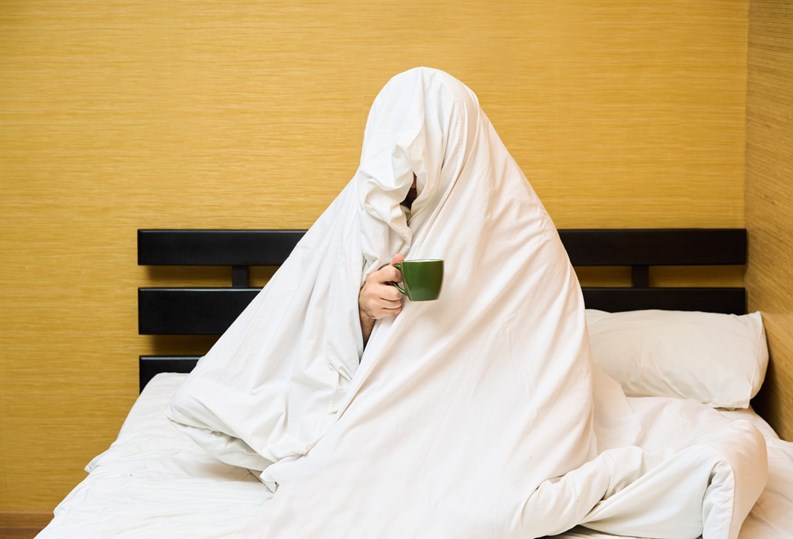
Apartment dwellers often assume their winter heating costs are dictated by their building's central boiler or individual electric meters—but that’s not entirely the case. While co-op and condo residents can’t just replace their windows or upgrade their wall insulation, there are a number of low-cost, low-impact modifications they can make inside their units to significantly lower their energy consumption, and thereby their heating bills. None of these require an alteration agreement, and most can be done in just a few minutes, with very basic tools.
Radiators & Baseboards
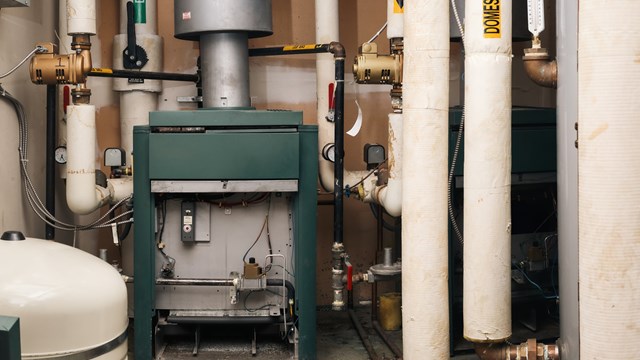
In buildings with hydronic or steam radiator heating, improving efficiency is all about valve control and managing air circulation. Here are a few ways to do that:
Install Thermostatic Radiator Valves (TRVs): On manual steam or hot-water radiators, replacing standard shut-off valves with self-regulating TRVs allows temperature control room by room. They throttle steam or hot water flow automatically once a set ambient temperature is reached, preventing overheating and wasteful window-opening.
Clear the Clearance Zone: Furniture, long drapery, and decorative radiator covers block convective air currents, so be sure to keep at least 12 inches of clear space around radiators and baseboards.
Add Heat Reflectors: Placing a foil-faced insulation sheet behind radiators reflects radiant heat back into the living space, rather than letting it absorb directly into exterior masonry walls.
Seal Drafts
Convective heat loss through gaps in a building’s envelope accounts for a massive portion of winter heating costs. Even tiny gaps add up, creating heat loss that forces systems to work harder, which in turn leads to higher energy costs for residents. So not only are drafts unpleasant, they’re expensive. Residents can avoid chills and lower their bills by:
Adding Window Insulation: Standard single-pane or older double-pane windows lose heat through both conduction and air leakage. Residents can apply clear plastic shrink-film window kits to create a dead-air space that performs similarly to adding a pane of glass, drastically reducing window heat loss—often by up to 50%.
Caulking & Weatherstripping Operational Windows: Residents can install adhesive foam or V-channel weatherstripping along their window sashes, as well as applying removable rope caulk along cracks in non-operational windows for the season.
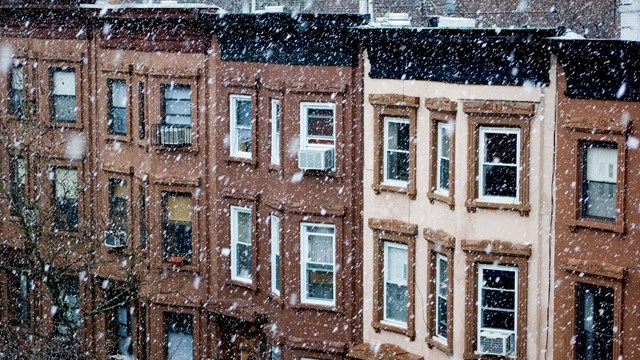
Covering Wall Air Conditioners: Improperly sealed window AC units and through-wall ACs are primary sources of cold air infiltration. Residents should remove window units if allowed by building rules; fixed through-wall units should be sealed internally with a heavy-duty insulated cover, and caulked around the interior sleeve perimeter.
Blocking Electrical Outlet Drafts: Cold air often enters through wall cutouts. Installing foam gaskets behind electrical outlets and light switch faceplates on exterior walls helps stop subtle drafts.
Master Thermostat & Fan Operations
For units with individual electric resistance, heat pump, or forced-air heating systems, some minor adjustments can yield significant savings without sacrificing comfort:
Lower the Set Point: According to the U.S. Department of Energy, turning a thermostat back 7 to 10 degrees fahrenheit for 8 hours a day (such as while sleeping or at work) can yield up to 10% annual savings on heating bills.
Reverse Ceiling Fans: Setting ceiling fans to turn clockwise at their lowest speed during winter creates a gentle updraft that forces warm air—which naturally rises toward the ceiling—down into the living area without creating a cooling breeze.
Pay Attention to Drapes: Opening south- and west-facing blinds during bright winter days helps capture passive solar heat. Conversely, closing heavy, thermal-lined curtains at sundown adds an insulating barrier against cold window glass, helping to keep the interior toasty.
Adapt Habits
Arrange Furniture Away from Exterior Walls: Position beds, sofas, and other large furniture about 6-12 inches away from exterior walls to help reduce exposure to colder surfaces and allow heated air to circulate effectively along the perimeter of the room.
Use Area Rugs on Cold Floors: In units with hardwood or tiled floors, and especially in areas located above unheated garages, lobbies, or basements, use area rugs with a thick rug pad to help insulate and reduce heat transfer.
Cook to Beat the Cold: Do your baking, roasting and other cooking projects in the evenings, when it’s typically colder. Timing your cooking schedule wisely adds supplemental heat from your oven when you need it most.




2 Comments
Leave a Comment