



The National Housing Conference (NHC) issued an urgent call to action on May 12, throwing its full weight behind a revised bipartisan housing package currently moving through Congress. In a recent press statement, NHC President and CEO David M. Dworkin emphasized that the legislation represents a landmark opportunity to address the supply and affordability crises that continue to reshape the residential landscape in New York City and across the nation.
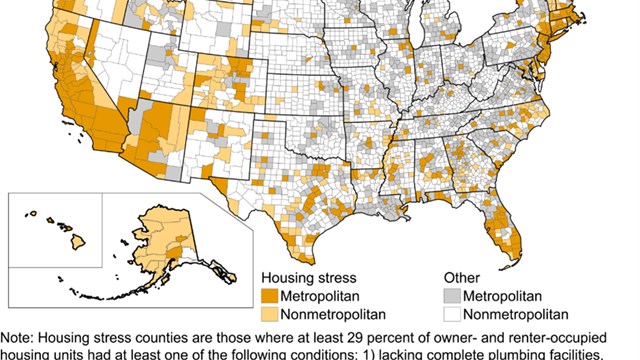
The legislation seeks to bridge the gap between robust demand and stagnant supply, targeting a market where homeownership and rental stability have slipped out of reach for a growing number of middle-income professionals. (For example, according to the NHC’s Paycheck to Paycheck database, professionals like registered nurses and middle school teachers are now priced out of homeownership in hundreds more metropolitan areas than they were just seven years ago.)
A central component of the current legislative debate involves the role of institutional investment in the housing market. The Senate’s proposal includes a ban on institutional investors purchasing single-family homes, a move designed to preserve inventory for first-time buyers who are frequently outbid by large-scale capital. Dworkin noted that this approach aligns with executive priorities to protect the American dream of homeownership. However, he also highlighted critical nuances in the House’s revised language that aim to curb aggressive acquisition practices without inadvertently stifling the “build-to-rent” sector. The NHC argues that a balanced framework is necessary to protect consumers while ensuring that responsible investment continues to fuel much-needed rental supply.
Beyond investor oversight, the bill contains a suite of technical modernizations intended to lower the cost of development. Key provisions include the expansion of Community Development Block Grant (CDBG) eligibility, the streamlining of environmental review processes, and the modernization of Federal Housing Administration (FHA) multifamily loan limits. For New York developers and housing advocates, these updates could prove vital in reducing the red tape that often stalls high-density projects and affordable housing initiatives. The bill also looks toward innovation, supporting the development of manufactured housing and providing implementation grants for local pro-housing policies.
While Dworkin expressed strong support for the House measure, he indicated that a final package would be significantly bolstered by incorporating Senate-led initiatives, specifically regarding disaster recovery and the PRICE Act. Congress is now under significant pressure to move expeditiously, turning these bipartisan negotiations into enacted law. The NHC is urging House leadership to bring the bill to the floor immediately and appoint conferees to reconcile differences with the Senate. This conference process is viewed as the final hurdle to delivering a comprehensive policy shift that mirrors the President’s recent executive orders on housing.
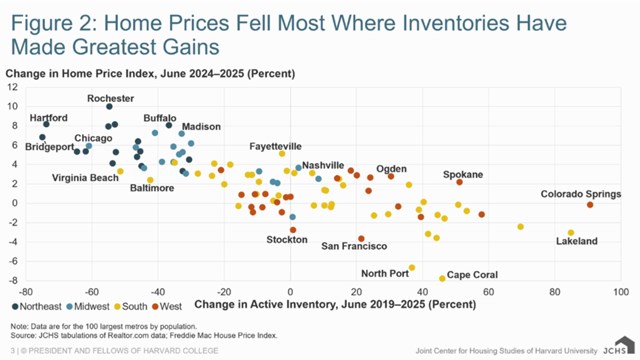
As the New York City market grapples with an affordability crisis coupled with a persistent inventory shortage, the progress in Washington offers a potential reprieve. The NHC maintains that while no single bill can solve the multifaceted housing crisis, this bipartisan effort reflects a substantial improvement over previous proposals. By focusing on increasing the total volume of available units and modernizing federal tools, the legislation aims to restore a sense of equilibrium to a market that Dworkin suggests is currently a primary driver of economic discontent among Americans.





Leave a Comment